How long does a London roof really last in the UK?
If you own or manage a property in the UK, it's important to know and understand the expected lifespan of your roof. This will help you make smart decisions when it comes to maintenance and repairs, helping you avoid expensive surprises later down the line. This guide will help you understand roof life spans in the UK and what really makes a difference.
Klaus Guip
Information
/
Nov 28, 2025
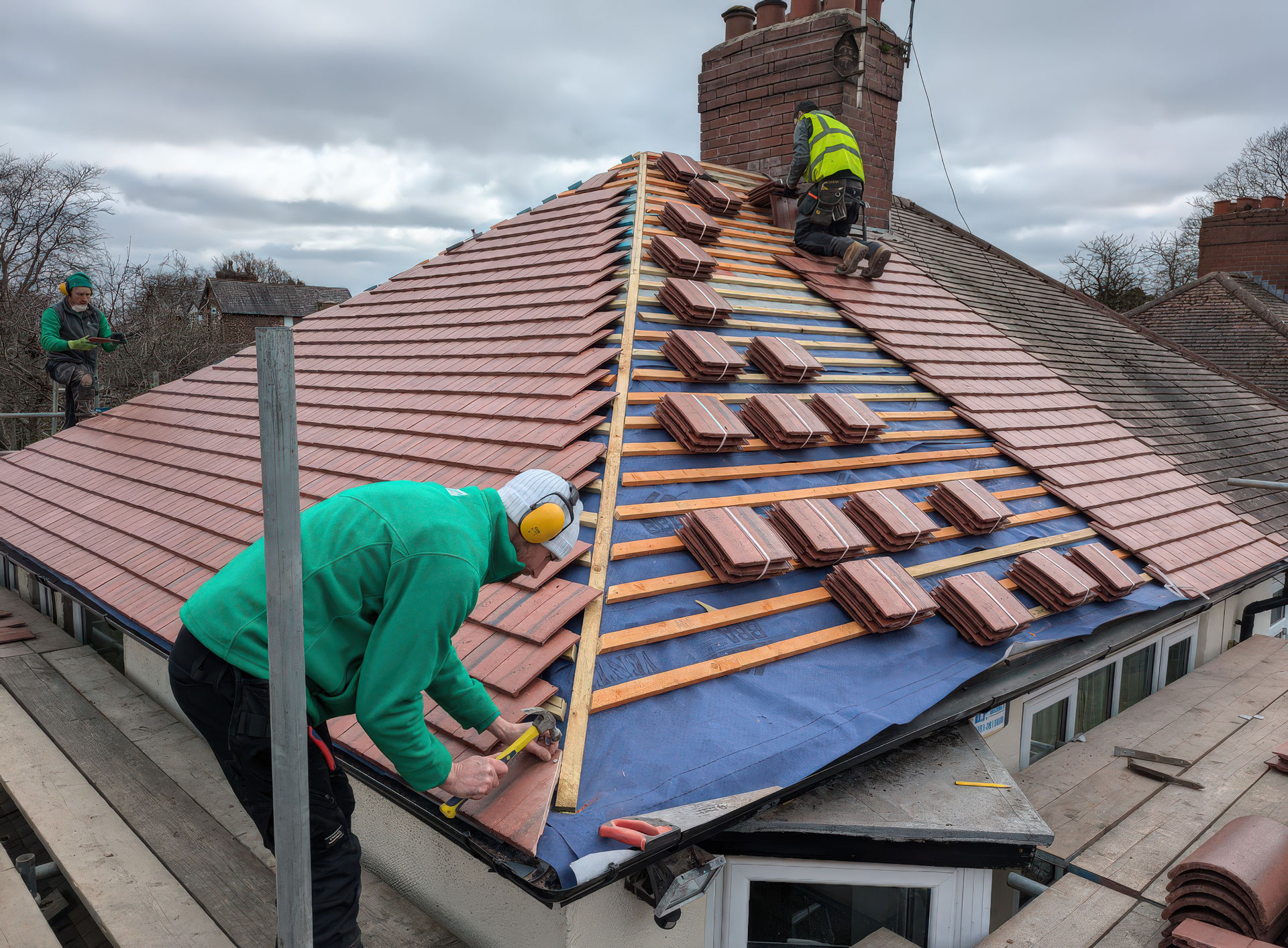
How long does a London roof really last in the UK?
Slate Roofs – 80 to 100+ Years
Natural slate roofs are one of the most durable options available. When installed by a trained professional and well-maintained, slate roofs can last more than a century. resisting UV damage, rain, and changing temperatures. making them an ideal option for the UK
Clay Tiles – 60 to 100 Years
Clay tiles are another traditional option, being tried and tested for 1000s of years. They are extremely durable and withstand humidity and temperature changes well. While the tiles are borderline bulletproof, the fixing and underlays will require attention earlier.
Concrete Tiles – 40 to 60 Years
Concrete tiles are a popular and affordable option. They don’t last as long as slate or clay, but with good care, they can still protect your home for many decades.
Metal Roofing – 40 to 70 Years
Metal roofs, like steel or aluminium, are becoming more common in new London homes. They resist rust, let rain run off easily, and can last for decades with little maintenance.
Flat Roofs (EPDM, GRP, Felt) – 20 to 40 Years
Flat roofs are often used on London extensions and apartment buildings.
EPDM rubber roofs: 30–40 years
GRP fibreglass roofs: 25–30 years
Traditional felt roofs: 15–25 years
How well the roof is installed really matters for how long it will last.
What really makes a difference to your roof?
Even the best materials will require some care. Here are some things to look out for on a London roof.
Weather exposure, such as constant rain and snow, can be especially challenging for flat roofs, as water tends to pool more readily than on pitched roofs.
Air pollution will accelerate roof deterioration, leading to damage or blocked gutters.
Schedule regular inspections and repairs.
Who installed the roof?
Having your roof installed by a trusted roofer will make a world of difference, as will having it inspected every few years. Does your roof need replacing? Here are some early warning signs you need to watch out for
Tiles start falling off, slipping, or cracking.
Persistent leaks that keep coming back
Roof lines that appear to start sagging
Damaged flashing
Water pooling, persistent moisture, and excessive moss
If you notice these, it's important to talk to a professional for advice.