When Is It Time to Replace Your Roof?
Many London homeowners won't notice early damage before it's too late. We made this guide to help you identify these early signs and have more time to prepare or prevent major issues.
Klaus Guip
Advice
/
Feb 15, 2025

How Can You Tell When Your Roof Needs Replacing?
London homeowners often ask when a roof has reached the end of its life. Changing it too soon wastes money when it's not necessary, and waiting too long often causes costly damage, such as rotting structures and leaks.
The following are some indicators we use at stork roofing that you can look out for yourself:
1. You're close to the predicted life span of your roof.
Many roof types have predicted life spans. If you're close to yours, that's one of the biggest signs.
Slate: 80–100+ years
Clay tiles: 60–100 years
Concrete tiles: 40–60 years
Metal: 40–70 years
Flat roofs: 20–40 years, depending on the material
If your roof is within or past these age ranges, repairs are often less cost-effective than replacement.
For more information, check out our article: How long will my roof last?
2. Constant leaks in different places
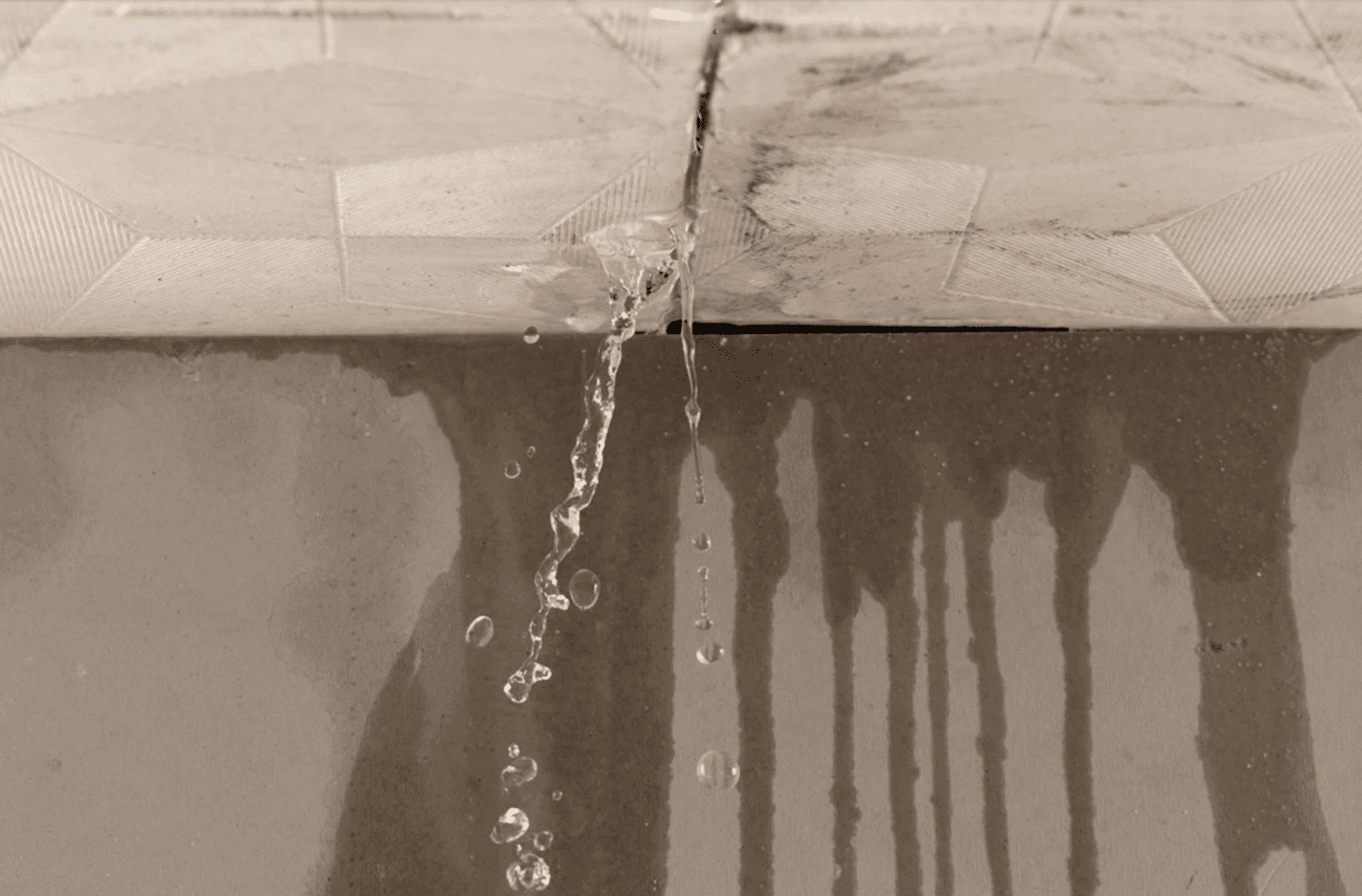
A single leak can occur and is often fixed with help from a professional, but frequent leaks in different areas indicate wear and tear, often indicating the roof is due for replacement soon.
3. Damaged, cracked, or missing roofing parts
Make sure to look for:
Cracked, broken, or slipping tiles
Bald patches where protective layers are worn away
Rusted metal sheets
Blistering, cracks, or splits on flat roofs.
These issues will often allow water in, and when this happens, widespread damage normally follows.
4. Sagging or Uneven Roof Lines
A sagging roof is often a severe sign of structural damage. This usually means the roof is unsafe, and calling for professional help as soon as possible is advised.
5. Rising Energy Bills and Poor Insulation
A damaged roof often loses its insulating properties, leading to heat loss in winter and heat gain in summer. If you notice your energy bills rising or your house being excessively hot in the summer, we recommend contacting a professional.
Why Timing Matters in Roofing London
London’s weather accelerates roof wear. Constant rain, wind, pollution, and temperature changes stress roofing materials, so even a roof that appears sound from the ground may be close to failure. Regular inspections help identify problems before they become emergencies.